


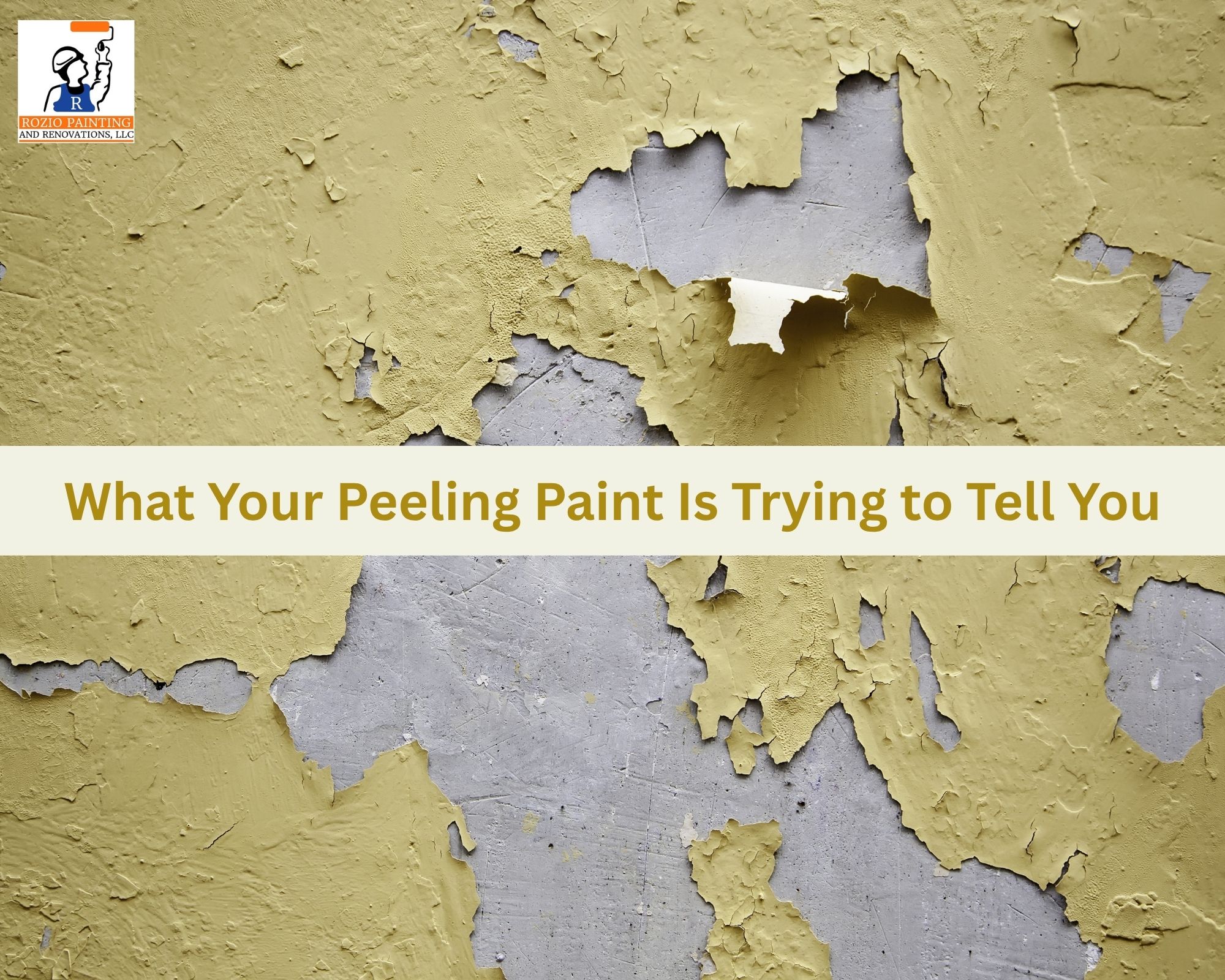
Peeling paint is one of those home problems that is easy to ignore at first. A small patch may not seem like a serious concern, but peeling, flaking, cracking, or bubbling paint can indicate that something is wrong beneath the surface.
Instead of simply covering the damaged area with another coat, it is important to understand why the paint is peeling in the first place. Finding the cause can help you achieve a cleaner finish and prevent the same problem from returning. If you need help restoring damaged walls or achieving a lasting finish, professional painting services in Avon, CT can help identify the problem and recommend the right solution.
One of the most common causes of peeling paint is moisture. Water can get behind painted surfaces because of plumbing leaks, roof problems, condensation, or water entering through exterior walls.
Bathrooms, kitchens, basements, and areas around windows are especially prone to moisture-related paint problems.
If peeling paint is accompanied by water stains, bubbling, discoloration, or a damp smell, the source of the moisture should be addressed before repainting.
A long-lasting paint job starts with proper preparation. If a wall wasn't cleaned, sanded, scraped, or repaired before painting, the new coating may not bond properly.
Dust, grease, dirt, and loose layers of old paint can all interfere with adhesion. Even high-quality paint can eventually peel when applied to an improperly prepared surface.
Before repainting, loose paint should be removed and damaged areas should be properly repaired and prepared.
Excessive humidity can gradually weaken a paint finish. This is particularly common in rooms where moisture is regularly produced.
Poor ventilation can leave moisture trapped in the room, affecting both the surface and the paint. Using exhaust fans and improving airflow can help, but choosing paint suitable for humid environments is also important.
Paint has a lifespan. Over the years, sunlight, temperature changes, cleaning, moisture, and everyday wear can cause paint to lose its strength.
If peeling is occurring across several walls or large sections of your home, the issue may not be limited to one damaged area. The existing paint may require more extensive preparation before a new finish can be applied.
It can be tempting to quickly brush a new coat over peeling areas. While this may make the wall look better temporarily, the underlying loose paint is still there.
As the old coating continues to separate, the new paint can peel along with it.
A proper repair usually involves removing loose paint, smoothing the surface, repairing imperfections, applying primer when needed, and then adding the new paint.
A small peeling spot may be relatively simple to address, but widespread or recurring peeling deserves more attention.
Consider getting professional help if:
A professional painter can assess the surface, identify potential causes, and recommend the right preparation before applying a fresh finish.
Peeling paint is not always just an appearance problem. It can be your home's way of pointing out moisture, poor preparation, humidity, aging materials, or other surface issues.
The key is to solve the cause instead of repeatedly covering the symptoms. With proper preparation and the right painting approach, you can restore the appearance of your walls and create a finish that lasts. If your walls need professional attention, experienced painting contractors in CT can help identify the cause of peeling and provide the right solution.
1. What is the main reason paint peels?
Moisture, poor surface preparation, high humidity, aging paint, and improper application are common causes of peeling paint.
2. Can I paint directly over peeling paint?
It is not recommended. Loose paint should be removed, and the surface should be prepared before applying a new coating.
3. Why does paint peel more often in bathrooms?
Bathrooms regularly experience moisture and humidity. Without adequate ventilation and suitable paint, these conditions can contribute to peeling.
4. Does peeling paint always mean there is a water leak?
No. Moisture is a common cause, but peeling can also result from poor preparation, incompatible coatings, excessive humidity, or aging paint.
5. How can I stop my new paint from peeling?
Identify the cause, remove loose paint, repair and clean the surface, use primer when appropriate, and choose paint suitable for the specific room and surface.