


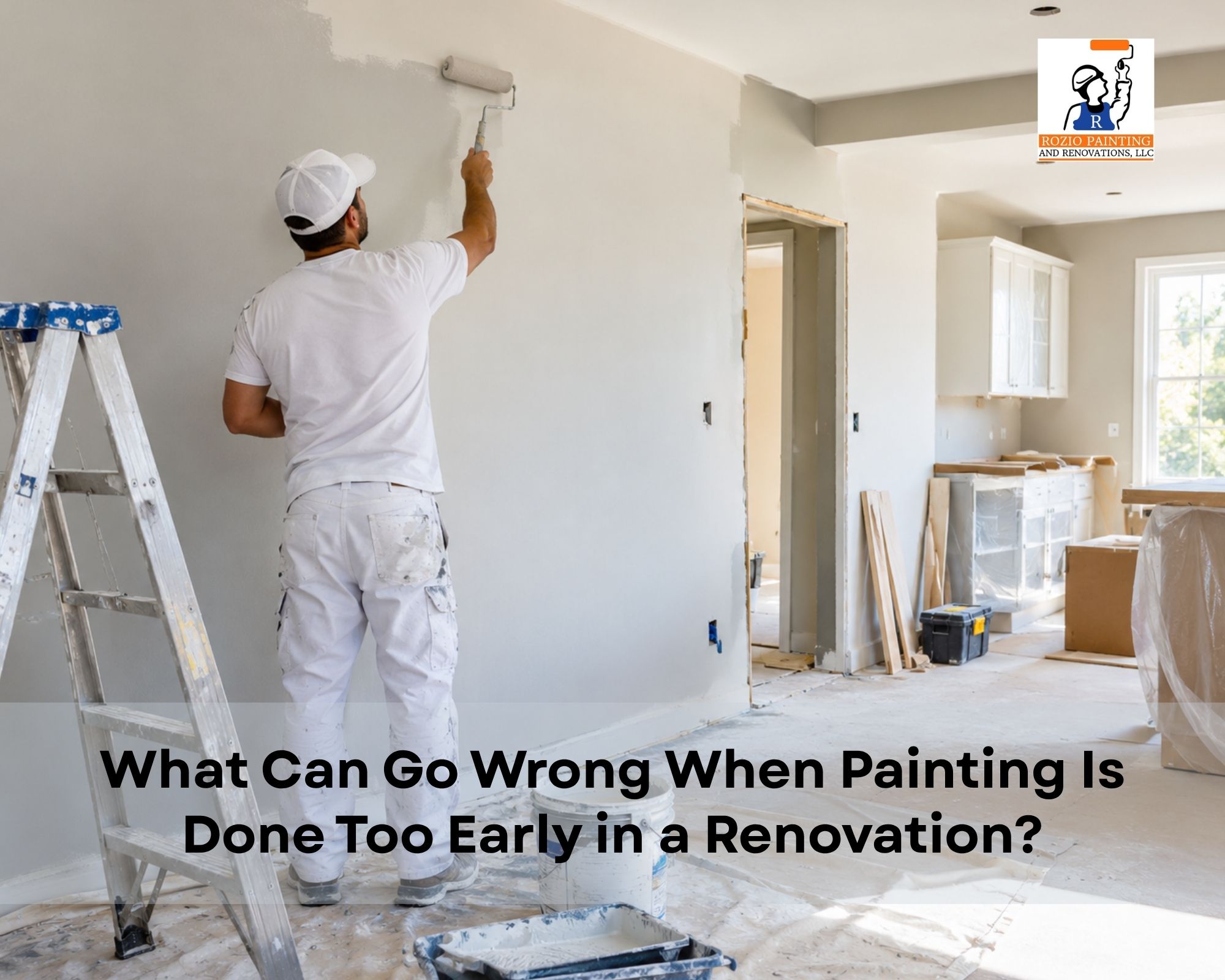
Painting can make a renovated home look fresh, clean, and complete. However, choosing the wrong time to paint during a home renovation can affect the final result. Activities such as electrical work, cabinet installation, wall repairs, and flooring can damage freshly painted surfaces, leading to additional expenses and project delays. Choosing experienced professionals who provide the best renovation services in CT can help homeowners plan each stage of the renovation properly and achieve a clean, lasting finish.
Renovation work often involves moving equipment, carrying materials, and installing fixtures. If workers paint too early, they may accidentally scratch walls or leave dents and marks while completing other tasks. Even small areas of damage can be noticeable, especially on dark or glossy walls.
To prevent this, complete major construction and installation work before applying the final coat of paint. This reduces the chances of damage and the need for repeated touch-ups.
Activities such as sanding, drilling, and cutting wood produce fine dust that can settle on freshly painted walls. When dust sticks to wet paint, it may create a rough surface instead of the smooth finish homeowners expect. Continued construction can also leave painted rooms looking dirty.
The best approach is to finish dust-producing work first and clean the walls and surrounding areas before painting begins. Proper surface preparation helps the paint adhere well and creates a cleaner result.
Some renovation activities, including plastering, plumbing repairs, and bathroom remodeling, can leave surfaces damp. Painting before these surfaces dry completely can affect paint adhesion and lead to bubbling, peeling, or discoloration.
Before painting, contractors should check that the walls are dry and that any leaks or moisture problems have been resolved. Following the paint manufacturer's drying and preparation instructions helps prevent problems after the renovation is complete.
Sometimes, electrical wiring, plumbing, or other changes need to be completed after painting has started. Workers may need to open sections of the wall, leaving holes or uneven patches that require repair. Even after repainting these areas, the color or texture may not perfectly match the surrounding surface.
Completing essential repairs before the final paint application helps avoid this situation. It also makes it easier to achieve a consistent appearance across the room.
When painted walls need repeated repairs, homeowners may have to pay for additional paint, labor, and preparation. These extra tasks can also delay other renovation activities and affect the overall project schedule.
Planning the painting work with the renovation contractor helps keep each stage organized. Although painting earlier may seem like a way to finish quickly, choosing the right time can save money and reduce unnecessary rework.
Painting at the right stage of a renovation is important for achieving a clean, durable finish. Starting too early can lead to damaged walls, dust-related imperfections, moisture problems, and additional expenses. Completing major construction work first and ensuring that surfaces are clean and dry helps avoid these issues.
Before scheduling painting, discuss the project timeline with your contractor. Experienced residential renovation contractors in CT can help coordinate each stage of the project, protect finished surfaces, and make the entire renovation process smoother.
1. When is the best time to paint during a renovation?
Painting is generally scheduled after major construction, dusty work, and necessary wall repairs are complete. The exact timing depends on the type of renovation.
2. Can construction dust damage freshly painted walls?
Yes. Dust can settle on wet paint and create a rough or uneven finish. Cleaning the work area before painting helps prevent this problem.
3. What happens if paint is applied to damp walls?
Paint may peel, bubble, or fail to adhere properly. Walls should be dry, and any moisture issues should be resolved before painting.
4. Should painting be done before or after cabinet installation?
This depends on the project. Painting before cabinet installation can make some areas easier to reach, while final touch-ups may be needed after the cabinets are installed.
5. Does painting too early increase renovation costs?
Yes. Damage and additional repairs may require more paint and labor. Proper scheduling helps reduce these extra expenses.